

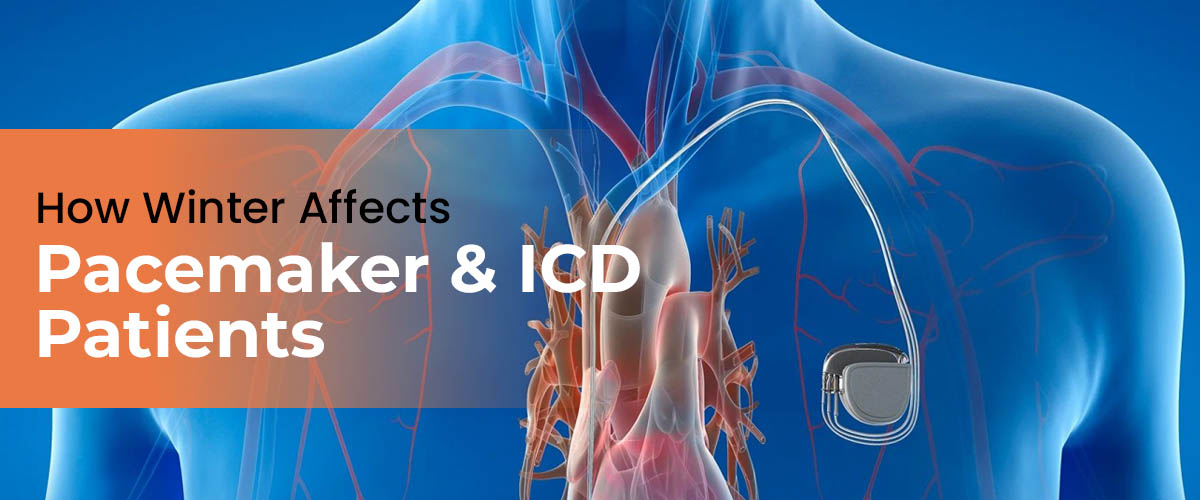
How Winter Affects Pacemaker and ICD Patients: What You Should Know
As winter sets in, patients with pacemakers and implantable cardioverter defibrillators (ICDs) may face unique challenges. Understanding how cold weather impacts heart health and device function is crucial for maintaining well-being during this season. Dr. Nishant Tyagi, the best cardiologist in Medanta Hospital, provides expert insights to help patients navigate these concerns effectively.
Understanding Pacemakers and ICDs
Pacemakers and ICDs are life-saving devices designed to regulate heart rhythms. While pacemakers assist in maintaining a steady heartbeat, ICDs monitor and correct irregular rhythms, often preventing sudden cardiac arrest. These devices are sensitive to both internal body signals and external environmental changes, including those brought on by winter.
How Winter Impacts Heart Health
Cold weather poses physiological stress that can directly or indirectly affect pacemaker and ICD patients:
- Increased Blood Pressure: Cold temperatures cause blood vessels to constrict, leading to higher blood pressure. For patients with heart conditions, this additional strain can exacerbate symptoms or necessitate device adjustments.
- Elevated Risk of Arrhythmias: Winter is notorious for causing a surge in heart-related incidents, including arrhythmias, which pacemakers and ICDs are designed to manage. Cold-induced stress and reduced physical activity can trigger these events.
- Reduced Circulation: Exposure to cold weather can diminish blood flow to extremities. This reduced circulation may cause discomfort or exacerbate underlying cardiovascular issues, increasing dependence on pacemaker or ICD functionality.
Can Cold Weather Affect Device Function?
Although pacemakers and ICDs are highly durable, extreme cold can potentially impact their performance:
- Battery Drain: Lithium-based batteries in these devices may drain faster in cold temperatures, although modern devices are designed to withstand significant variations. Regular check-ups with your cardiologist, like Dr. Nishant Tyagi at Medanta Super Speciality Hospital, Noida, can ensure optimal functionality.
- Electromagnetic Interference from Winter Gear: Certain electrically heated garments or devices can interfere with pacemaker or ICD function. Patients should consult their cardiologist before using such equipment.
- Physical Discomfort Around the Implant Site: Cold weather can cause stiffness or discomfort around the implantation site, particularly in older devices or those placed close to the skin's surface.
Winter-Related Risks for Pacemaker and ICD Patients
Here are some specific winter-related risks to watch out for:
- Hypothermia: Pacemaker and ICD patients are more vulnerable to hypothermia, as the body’s temperature regulation can be less effective. Hypothermia can slow the heart rate, placing undue stress on the device.
- Slippery Surfaces: Falling on icy surfaces can lead to physical trauma around the chest area where devices are implanted. It's critical to prioritize safety when navigating icy pathways.
- Dehydration: People tend to drink less water in winter, increasing the risk of dehydration, which can indirectly affect cardiovascular health and device performance.
Winter Tips for Pacemaker and ICD Patients
To ensure a safe winter, follow these expert recommendations:
Stay Warm
- Dress in layers to maintain body warmth.
- Avoid prolonged exposure to extreme cold.
- Use gloves and scarves to protect extremities.
Monitor Symptoms
- Pay attention to any changes in symptoms, such as dizziness, fatigue, or irregular heartbeats, and report them promptly to your cardiologist.
Routine Check-Ups
- Winter is a great time to schedule a check-up with your cardiologist to ensure your device is functioning correctly. Dr. Nishant Tyagi, a leading expert at Medanta Hospital, provides comprehensive device evaluations.
Avoid Overexertion
- Cold weather can strain the heart. Avoid shovelling snow or engaging in intense physical activities without warming up adequately.
Stay Active Indoors
- Engage in light indoor exercises to maintain cardiovascular health while minimizing exposure to cold.
Pacemaker and ICD Care During Winter Travel
- Plan Ahead: When traveling to colder regions, ensure you have adequate clothing and medications.
- Carry Medical Identification: Wear a medical alert bracelet or carry your device ID card, which includes details of your pacemaker or ICD.
- Avoid High-Altitude Destinations: Extreme altitudes can increase heart strain. Consult your cardiologist before planning a trip.
Nutritional Considerations for Winter
Eating heart-healthy foods can make a significant difference:
- Warm Soups: Opt for low-sodium, nutrient-rich soups to maintain hydration and warmth.
- Omega-3 Fatty Acids: Incorporate fish or flaxseed into your diet to support heart health.
- Limit Salty Foods: Avoid processed foods that can increase blood pressure.
How Dr. Nishant Tyagi Helps Patients Navigate Winter Challenges
Dr. Nishant Tyagi, renowned as the best cardiologist in Medanta Super Speciality Hospital, Noida, provides personalized care for pacemaker and ICD patients. With advanced diagnostic tools and tailored treatment plans, he ensures that each patient can manage winter’s challenges effectively. Patients at Medanta Super Speciality Hospital, Noida benefit from comprehensive device monitoring, lifestyle recommendations, and expert advice.
FAQs
Q: How does cold weather affect pacemaker or ICD performance?
Cold temperatures can potentially impact battery life and increase physical discomfort around the implant site. Regular check-ups help ensure optimal performance.
Q: Can I use heated clothing with a pacemaker?
Electrically heated clothing may interfere with device function. Consult your cardiologist before using such items.
Q: Is shoveling snow safe for pacemaker patients?
Shoveling snow can strain the heart. It's best to avoid overexertion and take frequent breaks if necessary.
Q: Can dehydration affect my pacemaker?
Yes, dehydration can indirectly affect cardiovascular health, which may impact your device’s effectiveness.
Q: Should pacemaker patients avoid high altitudes during winter?
High altitudes can strain the heart. Consult your cardiologist before traveling to such destinations.
Q: What should I do if I feel dizzy or fatigued during winter?
Report these symptoms immediately to your cardiologist, as they may indicate an issue with your device or heart health.
Conclusion: Winter can present unique challenges for pacemaker and ICD patients, but with the right precautions, you can maintain your health and safety. By staying warm, monitoring symptoms, and scheduling regular check-ups with experts like Dr. Nishant Tyagi at Medanta Super Speciality Hospital, Noida, you can navigate the season confidently.